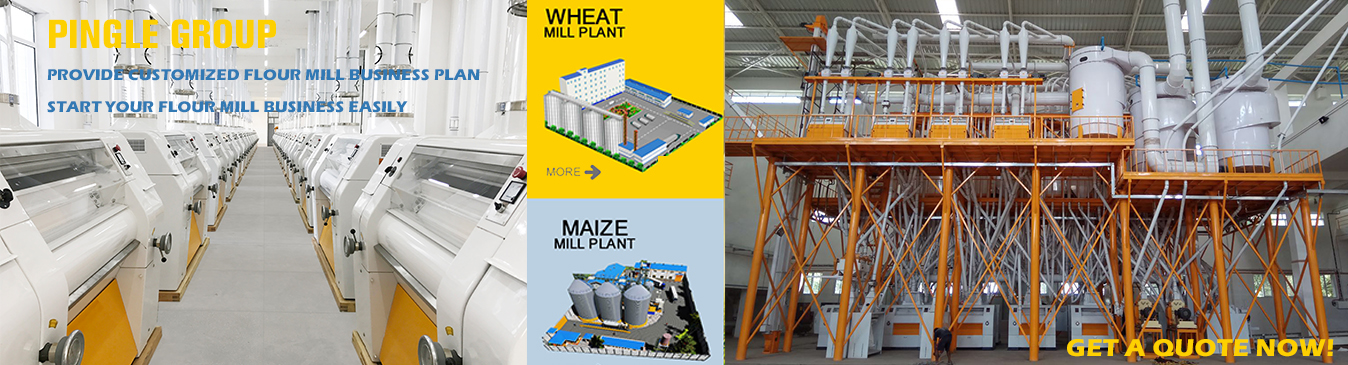
Starting a profitable wheat flour milling plant business requires a combination of careful planning, technical setup, supply chain control, and strong market positioning. Flour is a staple product with steady demand, but profitability depends heavily on operational efficiency, raw material sourcing, and product differentiation. A well-structured milling business can generate stable long-term returns when designed with scalability and cost control in mind.
Wheat flour is a core ingredient in bakery products, noodles, pasta, and household cooking. Demand remains consistent across urban and rural markets, making flour milling a relatively stable agro-processing business.
However, competition is strong, so profitability depends on:
Efficient milling technology
Low raw material procurement cost
High extraction rate
Minimal production waste
Strong distribution channels
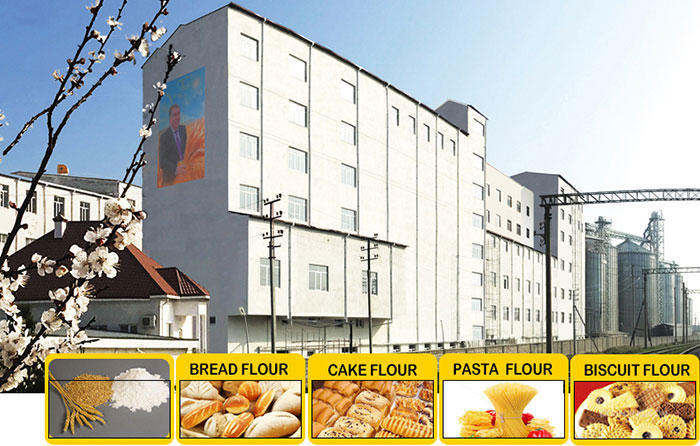
Before investing, clearly define your target market and business scope.
Identify Your Customers
Retail consumers (packaged flour brands)
Bakeries and restaurants
Food manufacturers (noodles, biscuits, pasta)
Wholesale distributors
Choose Your Business Scale
Small-scale local mill (low investment, local market)
Medium commercial plant (regional distribution)
Large industrial milling plant (bulk supply, branding focus)
Each scale requires different machinery, capital, and marketing strategy.
Location directly affects logistics cost and profitability.
Ideal locations should have:
Proximity to wheat supply regions
Easy access to transportation routes
Reliable electricity and water supply
Space for future expansion
Compliance with industrial zoning regulations
Being close to raw material sources significantly reduces transportation costs and improves margins.
Equipment selection determines product quality and operational efficiency.
A standard wheat flour milling line typically includes:
Wheat cleaning system (vibrating screen, destoner, magnetic separator)
Conditioning system (tempering bins)
Milling section (roller mills)
Sifting system (plansifter)
Purification system
Flour blending and packaging unit
Modern automated systems improve extraction rate and reduce labor costs.
Profitability depends heavily on wheat purchasing strategy.
Key considerations:
Wheat quality and protein content
Seasonal price fluctuations
Storage capability to buy in bulk during low-price seasons
Supplier reliability
Efficient procurement planning can significantly improve profit margins.
The goal is to maximize flour yield while minimizing waste.
Key optimization areas:
Proper moisture conditioning for better bran separation
Regular roller alignment and maintenance
Dust control and aspiration system optimization
Real-time monitoring of extraction rate
Even a small increase in yield can lead to significant annual profit growth.
If you plan to sell branded flour, packaging becomes critical.
Focus on:
Moisture-proof packaging materials
Clear labeling and nutritional information
Consistent weight control
Attractive brand identity
Strong branding allows higher selling prices compared to bulk flour sales.
A profitable milling business needs diversified sales channels:
Local grocery stores and supermarkets
Wholesale distributors
Bakery supply contracts
Online grocery platforms
Building long-term contracts with institutional buyers ensures stable cash flow.
Major cost components include:
Wheat raw material (largest cost factor)
Electricity and energy usage
Labor costs
Maintenance and spare parts
Packaging materials
Profitability improves through:
Energy-efficient machinery
Bulk raw material purchasing
Preventive maintenance programs
Automation of packaging and weighing
Compliance is essential for long-term success.
Ensure adherence to:
Food safety standards (HACCP or equivalent)
Local manufacturing licenses
Hygiene and sanitation requirements
Quality testing for flour consistency
Strong compliance also improves brand trust and market access.
Once stable operations are achieved, scaling options include:
Increasing milling capacity
Expanding product lines (whole wheat flour, specialty flour)
Entering export markets
Building a regional brand network
Scalability is key to long-term profitability.
A profitable wheat flour milling plant business is built on efficiency, consistency, and strong supply chain management. Success depends not only on installing machinery but also on optimizing procurement, production processes, and distribution systems.
With the right strategy, wheat flour milling can evolve from a simple processing operation into a highly scalable and sustainable agro-industrial business.

Copyright © Hebei Pingle Grain Technology Intelligent Equipment Co.ltd. All Rights Reserved | Sitemap | Technical Support: 

 English
 русский
 فارسی
فارسی Português
 français
 عربى
عربى España