Upgrading an old maize flour milling plant isn’t just about replacing worn-out machines—it’s about improving efficiency, product quality, food safety, and long-term profitability. Many older plants still operate with outdated technology, high energy consumption, and inconsistent flour output, which makes them less competitive in today’s market.
This guide walks you through practical upgrade strategies that align with what buyers and plant owners actually care about: cost control, output quality, automation, and ROI.
Older maize milling plants often face several limitations:
Low extraction rates and high raw material waste
Inconsistent flour quality (particle size, color, moisture)
High energy consumption due to inefficient motors and systems
Frequent breakdowns and costly maintenance
Limited automation, requiring more labor
Upgrading helps solve these issues while positioning your plant for modern market demands, including premium flour production and export compliance.
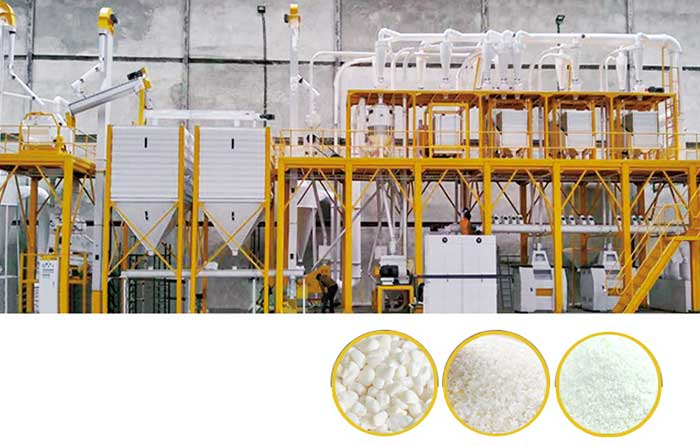
1. Replace Core Milling Equipment
The heart of your plant is the milling section. Older roller mills and sifters often lack precision.
Upgrade options:
High-efficiency roller mills with better grinding control
Advanced plansifters for accurate grading
Durable degerminators to improve maize separation
Result: Higher flour yield, better consistency, and improved product value.
2. Improve Cleaning and Conditioning Systems
Raw maize quality directly impacts final flour quality. Many old plants use basic cleaning systems that fail to remove impurities effectively.
Upgrade components:
Vibrating screens and destoners
Magnetic separators for metal removal
Efficient maize conditioning systems (moisture control)
Result: Cleaner raw material, reduced contamination risk, and better milling performance.
3. Introduce Automation and Smart Control Systems
Manual operations slow down production and increase human error.
Modern upgrade solutions:
PLC-based automatic control systems
Real-time monitoring of temperature, moisture, and output
Centralized control panels
Result: Lower labor costs, stable operation, and higher production efficiency.
4. Optimize Energy Efficiency
Energy is a major operating cost in maize flour milling plants.
Energy-saving upgrades:
Replace old motors with high-efficiency motors (IE3/IE4)
Install variable frequency drives (VFDs)
Improve air systems and reduce dust leakage
Result: Lower electricity bills and improved sustainability.
5. Upgrade Dust Collection and Environmental Systems
Older plants often struggle with dust pollution, which affects both safety and compliance.
Upgrade solutions:
Pulse jet dust collectors
Improved pneumatic conveying systems
Sealed production lines
Result: Cleaner working environment, regulatory compliance, and reduced product loss.
6. Enhance Packaging and Final Processing
Outdated packaging systems can bottleneck production.
Modern improvements:
Automatic weighing and packing machines
Flexible packaging for different market needs (1kg–50kg)
Sealing and labeling automation
Result: Faster delivery, reduced labor, and better market presentation.
Not every plant needs a complete overhaul. Choosing the right upgrade strategy depends on your budget and goals.
Partial upgrade: Replace key equipment (e.g., milling section) while keeping existing infrastructure
Full upgrade: Redesign the entire plant with a turnkey solution
Tip: Start with bottlenecks—usually cleaning, milling, or packaging—and upgrade in phases if budget is limited.
The cost of upgrading a maize flour milling plant varies depending on capacity and scope.
Typical influencing factors:
Plant size (e.g., 20TPD vs 200TPD)
Level of automation
Equipment brand and configuration
Installation and downtime costs
ROI benefits:
Increased extraction rate (more flour per ton of maize)
Reduced labor and maintenance costs
Higher-quality flour with better market pricing
In many cases, upgrades can pay back within 1–3 years through efficiency gains alone.
Upgrading only one section without addressing system compatibility
Choosing low-cost equipment with poor durability
Ignoring automation and focusing only on mechanical upgrades
Failing to plan for future capacity expansion
A well-planned upgrade should improve both current performance and future scalability.
The industry is moving toward smarter and more sustainable operations:
Digital monitoring and IoT integration
Energy-efficient and low-emission systems
Customized flour production for different food industries
Compact modular plants for flexible expansion
Investing in these trends ensures your plant stays competitive in the long term.
Upgrading an old maize flour milling plant is a strategic investment that directly impacts productivity, product quality, and profitability. By focusing on key areas like milling equipment, cleaning systems, automation, and energy efficiency, you can transform an outdated facility into a modern, high-performing operation.
If you approach upgrades with a clear plan and prioritize high-impact improvements, even an aging plant can compete with newly built facilities—and deliver strong returns for years to come.

Copyright © Hebei Pingle Grain Technology Intelligent Equipment Co.ltd. All Rights Reserved | Sitemap | Technical Support: 

 English
 русский
 فارسی
فارسی Português
 français
 عربى
عربى España