Maize is the most important staple food across many African countries, making maize flour milling plants a critical investment for food security, local employment, and economic development. However, choosing the right maize flour milling plant for African markets requires more than selecting equipment capacity—it demands a deep understanding of local raw materials, consumption habits, infrastructure conditions, and regulatory environments.
This article explains how to select and configure maize flour milling plants that are truly suitable for African market conditions.
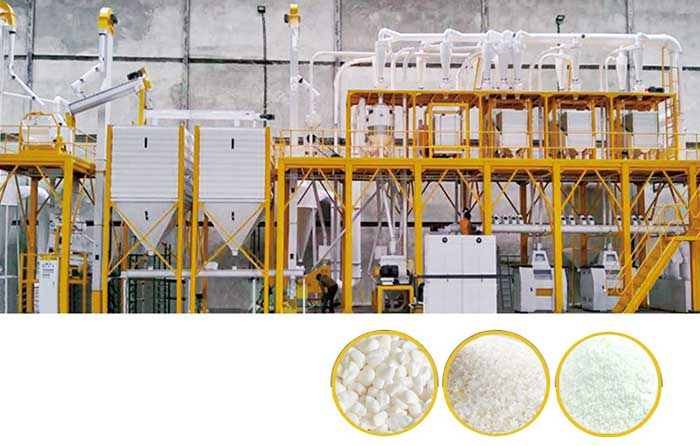
In most African regions, maize flour is consumed daily in various forms such as ugali, nshima, sadza, pap, and fufu. These products have specific flour texture and particle size requirements.
Key market characteristics:
High demand for white maize flour
Preference for medium to coarse flour in many regions
Strong demand from household and small retail markets
Increasing urban demand for packaged and fortified maize flour
Milling plants must be designed to produce flour that matches local taste preferences, not just generic maize flour standards.
For African investors, capacity selection is closely tied to local market size and infrastructure.
Common capacity ranges:
10–30 tons/day: Small towns, rural areas, community mills
30–60 tons/day: Regional distribution and urban markets
60–120 tons/day: Large cities, government supply programs, export
Many African buyers prefer to start with mid-capacity plants that can expand gradually as demand increases.
Raw maize quality in Africa often varies significantly due to:
Manual harvesting
High moisture levels
Presence of stones, sand, husks, and broken kernels
Therefore, maize flour milling plants for African markets should include:
Robust cleaning and destoning systems
Effective degermination units
Moisture adjustment for stable milling performance
Ignoring raw maize conditions can lead to poor flour quality and higher equipment wear.
Unstable electricity is a common challenge in many African regions.
Recommended plant features:
Low energy consumption per ton
Compatibility with diesel generators
Simple electrical systems with surge protection
Ability to operate in semi-automatic mode when power is limited
Energy-efficient designs reduce operating costs and improve uptime.
Many African countries require or encourage maize flour fortification to combat malnutrition.
Typical fortification requirements include:
Iron
Folic acid
Vitamin B complex
Milling plants should be designed to:
Integrate micro-dosing fortification systems
Ensure uniform nutrient distribution
Comply with national food safety standards
Compliance improves market access and eligibility for government or NGO contracts.
Local labor conditions require plants that are:
Easy to operate
Simple to maintain
Supported with clear manuals and training
African market–oriented plants often prioritize:
Mechanical reliability over complexity
Locally available spare parts
Remote technical support capability
This approach minimizes downtime and dependence on foreign technicians.
Packaging preferences vary widely:
Small retail packs (1 kg, 2 kg, 5 kg)
Bulk bags for wholesalers
Manual or semi-automatic packaging lines
A flexible packaging setup allows mill owners to serve both low-income consumers and commercial buyers.
Successful projects depend on:
Container-friendly plant design
Simple civil work requirements
On-site or remote commissioning support
Long-term spare parts availability
Suppliers with African project experience can significantly reduce installation risks and startup delays.
A maize flour milling plant for African markets must be designed around local consumption habits, raw material conditions, infrastructure realities, and regulatory frameworks.
The most successful projects are those that:
Start with the right capacity
Focus on flour quality and reliability
Allow for future expansion
Are supported by experienced suppliers
By aligning technology with local market needs, maize flour milling plants can achieve strong profitability while contributing to food security across Africa.

Copyright © Hebei Pingle Grain Technology Intelligent Equipment Co.ltd. All Rights Reserved | Sitemap | Technical Support: 

 English
 русский
 فارسی
فارسی Português
 français
 عربى
عربى España