Corn, also known as maize, is rich in valuable nutrients and is widely recognized as one of the most beneficial cereal grains. It contains lecithin, linoleic acid, grain alcohol, vitamin E, and dietary fiber. These nutrients help support cardiovascular health, regulate blood lipids and blood pressure, improve skin condition, slow aging, reduce the risk of colorectal cancer, and can even be consumed by people with diabetes.
Maize is a staple food in many regions such as Mexico, Nigeria, South Africa, and various parts of Asia. Since the global demand for maize-based products remains consistently strong, starting an automatic maize flour mill—especially a small-scale one—can be highly profitable and easier to manage compared with a large industrial facility.
To build a successful operation, it is important to secure the right equipment, prepare sufficient capital, and understand the entire milling process.
Choosing suitable maize flour milling equipment is one of the most important decisions when starting this business. The machine affects production efficiency, flour quality, and overall investment. Reliable and cost-effective equipment provides stable output and ensures continuous operation.
Mini Maize Flour Mill Machine
A compact mini maize mill is ideal for beginners or small workshops. It can be installed in limited working spaces, requires minimal operation skills, and consumes less energy. This type of machine offers:
Simple operation
Consistent flour quality
Low investment cost
Flexible use for processing maize, wheat, and other grains
It is an excellent starting option for individuals entering the grain processing industry.
A small plant with a processing capacity of 10 to 30 tons per day offers higher productivity while maintaining compact design and dependable performance. Such plants typically provide:
Stable and continuous operation
Higher flour extraction rates
Easy maintenance
Flexibility to produce various maize flour grades and grits
These systems are suitable for entrepreneurs seeking a balance between affordability and commercial output.
A qualified supplier usually offers comprehensive support throughout the entire project lifecycle, including:
Advanced equipment and modern grain processing techniques
Customized solutions for workshop planning and layout
Assistance with installation, commissioning, and staff training
Guidance on optimizing production efficiency
Suggestions for utilizing by-products such as bran and germ to increase profitability
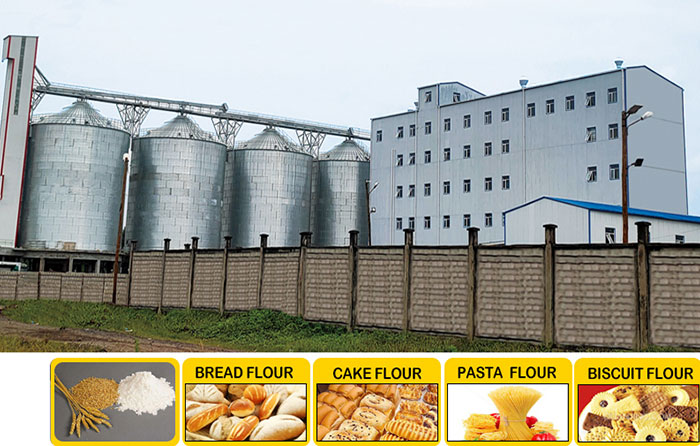
The maize flour milling process consists of several essential stages. Each step must be executed properly to ensure product quality and efficient plant operation.
• Impurities Screening
Foreign materials such as stones, dust, and plant residues must be removed before processing to protect equipment and ensure clean, high-quality flour.
• Cleaning Raw Materials
Thorough cleaning improves hygiene, reduces machine wear, and enhances flour quality.
• Raw Material Transportation
After cleaning, maize is conveyed into the milling section using mechanical or pneumatic systems to maintain a smooth and continuous workflow.
• Maize Flour Milling
The maize is ground, sieved, and separated into different grades of flour or grits. A well-designed milling system increases extraction rates and improves the color, texture, and taste of the final product.
• Packaging and Maintenance
Proper packaging preserves freshness and protects the flour during transportation and storage. Regular maintenance ensures long service life and stable equipment performance.
Maize contains approximately 87% dry matter and provides moderate levels of protein, fiber, and healthy fats. It includes natural sugars, starches, and energy-rich compounds that contribute to its value as a staple food. On a dry matter basis, maize typically features around 10% protein, about 5% fiber, nearly 8% fat, and over 50% starch. Its energy value is high, making it a nutritious raw material for various food products.
Once you decide to enter the maize milling industry, understanding key steps is essential for building a profitable and sustainable business.
1. Prepare a Custom Business Plan
A well-developed business plan helps you estimate investment needs, operating expenses, expected returns, and potential funding sources. A strong plan also improves approval chances when seeking financial support.
2. Secure a Suitable Location and Equipment
Even a small-scale maize flour mill requires adequate space for installation, storage, and safe operation.
After selecting the location, choose reliable and durable milling equipment from a trustworthy supplier. Good equipment ensures stable output, reduced downtime, and long-term cost savings.
3. Obtain Required Licenses and Permits
Depending on your region, you may need:
Business registration
Food safety certification
Environmental compliance approval
Air quality and dust-control permits
Complying with regulations helps maintain safe operations and avoid potential penalties.

Starting a small-scale maize flour milling business offers promising opportunities in regions where maize is a daily staple. With proper planning, suitable equipment, and a strong understanding of each production stage—from cleaning and handling to milling and packaging—you can build a reliable and profitable operation. A well-organized production line improves efficiency, lowers operational costs, increases product quality, and contributes to long-term business growth.
Copyright © Hebei Pingle Grain Technology Intelligent Equipment Co.ltd. All Rights Reserved | Sitemap | Technical Support: 

 English
 русский
 فارسی
فارسی Português
 français
 عربى
عربى España