Maize flour is one of the most widely consumed grain products in the world. Thanks to its versatility, affordability, and nutritional value, maize flour is used across multiple industries ranging from food processing and animal feed production to brewing and industrial manufacturing.
As global demand for processed maize products continues to grow, maize flour milling plants have become essential production facilities for many sectors. Modern maize milling plants can process corn into different particle sizes and flour grades suitable for various commercial applications.
This article explores the major industries that rely heavily on maize flour milling plants and explains why maize flour remains a critical raw material in global markets.
A maize flour milling plant is an industrial processing facility designed to clean, degerminate, grind, sift, and package maize into flour or grits.
Modern maize flour milling plants typically include:
Maize cleaning systems
Degermination machines
Roller mills or hammer mills
Plansifters
Pneumatic conveying systems
Packaging systems
Automation control systems
Depending on production requirements, maize milling plants can produce:
Fine maize flour
Super maize meal
Corn grits
Corn bran
Corn germ
Animal feed ingredients
Maize flour offers several commercial advantages:
Cost-effective raw material
High carbohydrate content
Wide global availability
Long shelf life
Multiple processing applications
Gluten-free characteristics
Flexible particle size production
Because of these benefits, maize flour has become a core ingredient in many industries worldwide.
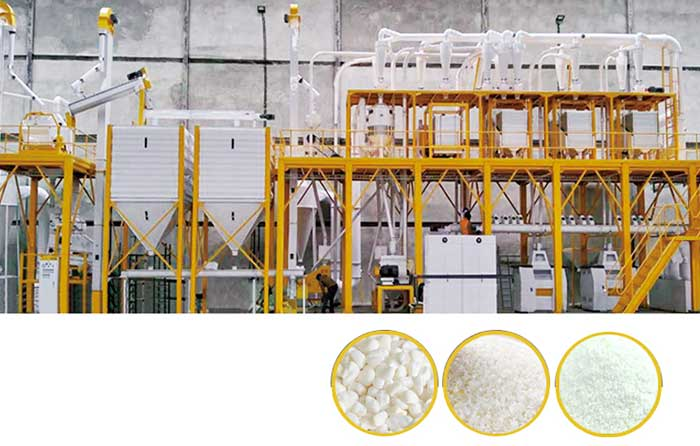
The food processing industry is the largest user of maize flour milling plants.
Common Food Applications
Maize flour is widely used to produce:
Tortillas
Corn bread
Snacks
Breakfast cereals
Porridge
Bakery products
Instant foods
Traditional staple foods
Noodles
Gluten-free products
In many African, Asian, and Latin American countries, maize flour is a daily staple food.
Growing Demand for Gluten-Free Foods
The increasing popularity of gluten-free diets has expanded maize flour applications in:
Gluten-free baking
Health foods
Organic food products
Specialty food manufacturing
Food manufacturers require consistent flour quality, which drives demand for advanced maize flour milling plants.
The animal feed industry is another major consumer of maize milling products.
How Maize Flour Is Used in Feed Production
Maize-based products provide:
High-energy nutrition
Digestible carbohydrates
Cost-efficient feed ingredients
Common livestock sectors using maize feed include:
Poultry farms
Pig farming
Dairy farming
Aquaculture
Pet food manufacturing
By-Products Also Have Value
Maize milling by-products such as:
Corn bran
Corn germ meal
Broken grits
are commonly used in compound feed production.
This improves raw material utilization and increases profitability for maize milling plants.
The brewing industry uses maize grits and maize flour as fermentation ingredients.
Applications in Brewing
Maize products are commonly used in:
Beer brewing
Alcohol production
Distilleries
Malt beverage production
Maize helps improve:
Fermentation efficiency
Flavor consistency
Cost control
Large breweries often require customized maize grits produced by specialized maize milling plants.
The snack industry heavily depends on maize flour processing.
Popular Snack Products
Maize flour is used to manufacture:
Corn chips
Tortilla chips
Extruded snacks
Puff snacks
Corn curls
Ready-to-eat snack foods
Snack manufacturers require:
Uniform particle size
Stable moisture content
High hygiene standards
Advanced maize milling systems help ensure consistent product quality.
The bakery industry increasingly uses maize flour in specialty products.
Common Bakery Applications
Corn muffins
Corn bread
Gluten-free cakes
Biscuits
Pancake mixes
Maize flour improves:
Texture
Flavor
Nutritional value
Blended flour formulations combining wheat and maize flour are also becoming more common.
Breakfast cereal manufacturers rely on maize milling plants for raw materials.
Maize-Based Cereals Include
Corn flakes
Puffed cereals
Instant cereal mixes
Baby cereals
The cereal industry requires:
High-purity maize grits
Consistent granulation
Controlled moisture levels
High-capacity maize flour milling plants are essential for large-scale cereal production.
The industrial starch sector uses maize as a primary raw material.
Maize Starch Applications
Corn starch is used in:
Food processing
Paper manufacturing
Textile production
Adhesives
Pharmaceuticals
Bioplastics
Before starch extraction, maize often undergoes preliminary milling processes.
This creates strong demand for industrial maize processing equipment.
The biofuel industry increasingly uses maize for ethanol production.
Why Maize Is Used for Ethanol
Maize contains high starch levels that can be converted into alcohol through fermentation.
Applications include:
Fuel ethanol
Industrial alcohol
Bioenergy production
As renewable energy markets expand, demand for maize processing capacity continues to grow.
The pharmaceutical industry uses maize-derived ingredients in many products.
Pharmaceutical Applications
Tablet binders
Capsule fillers
Corn starch excipients
Nutritional supplements
High-purity maize processing is essential to meet pharmaceutical-grade standards.
Many countries operate maize milling plants specifically for export markets.
Export Products Include
Maize flour
Corn grits
Degerminated maize meal
Industrial corn products
Regions with strong maize milling exports include:
Africa
South America
Eastern Europe
Asia
Export markets often require advanced food safety certifications and automated production systems.
Modern maize milling technology helps industries achieve:
Higher flour extraction rates
Better flour quality
Lower energy consumption
Improved food safety
Reduced waste
Automated production control
Efficient Cleaning Systems
Remove impurities such as:
Stones
Dust
Metal particles
Damaged kernels
Degermination Technology
Separates germ and bran to improve flour quality and shelf life.
Precision Milling Systems
Provide consistent particle size for industrial applications.
Automation Systems
Enable real-time monitoring and stable production quality.
Businesses selecting maize milling equipment often evaluate:
Production capacity
Flour quality consistency
Energy efficiency
Automation level
Maintenance requirements
Food safety compliance
Customization capabilities
Reliable milling machinery directly impacts operational profitability.
Global maize flour demand continues to rise due to:
Population growth
Urbanization
Increased processed food consumption
Expansion of livestock farming
Growth of gluten-free markets
Rising demand for convenience foods
This trend creates new opportunities for maize flour milling plant manufacturers worldwide.
Smart Milling Technology
AI and IoT systems improve process optimization and predictive maintenance.
Energy-Efficient Milling
Manufacturers focus on reducing energy consumption and operational costs.
Customized Flour Production
Industries increasingly demand customized maize flour specifications.
Sustainable Processing
Eco-friendly production systems are becoming more important in global markets.
Maize flour milling plants serve a wide range of industries, making them essential to global food and industrial supply chains.
The industries that use maize flour milling plants the most include:
Food processing
Animal feed manufacturing
Brewing and beverage production
Snack food manufacturing
Bakery production
Breakfast cereal manufacturing
Industrial starch processing
Biofuel production
Pharmaceutical manufacturing
As global demand for maize-based products continues to expand, advanced maize milling plants will play an increasingly important role in ensuring efficient, safe, and high-quality production.
Businesses investing in modern maize flour milling technology can improve productivity, meet market demands, and strengthen long-term competitiveness in the global grain processing industry.

Copyright © Hebei Pingle Grain Technology Intelligent Equipment Co.ltd. All Rights Reserved | Sitemap | Technical Support: 

 English
 русский
 فارسی
فارسی Português
 français
 عربى
عربى España